
Clear the fire damage. Keep the recovery plan intact.
BinPath helps property teams define and remove approved fire-damaged materials, plan debris movement, and prepare the affected area for the next responsible trade.
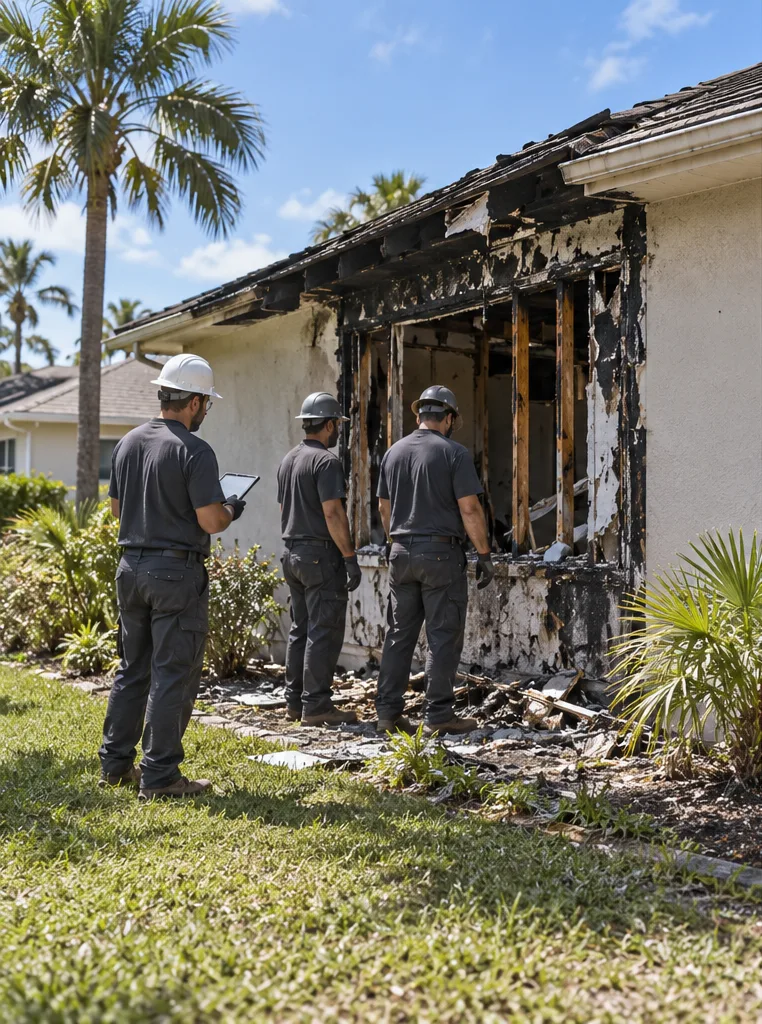
Fire changes the building. The scope has to follow the evidence.
A useful plan separates what is known from what still needs a decision. Start with site release, structural conditions, utilities, environmental reports, the approved removal boundary, and the route debris will take out of the property.
Choose the service that matches the work
These seven services cover different cleanup, removal, and demolition needs. Start with the damaged material and the approved work boundary.
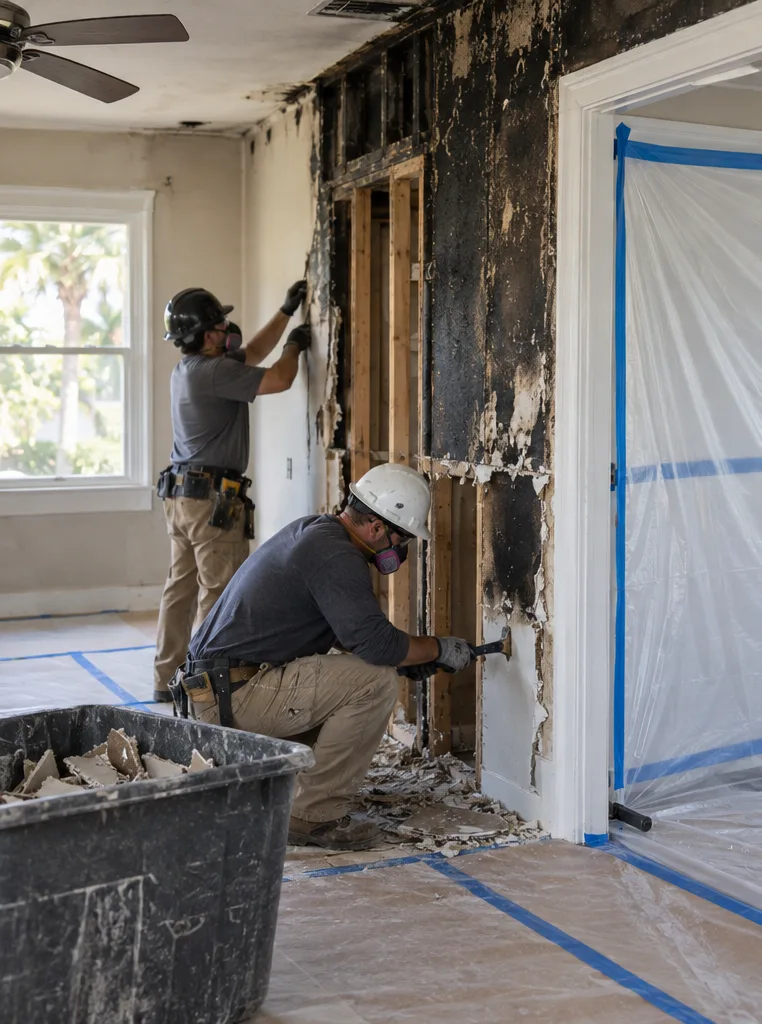
A controlled start beats a rushed teardown
Before demolition, the property team should know who released the site, who set the structural restrictions, which utilities are isolated, and which materials must be evaluated separately.
- Share wide photos of the building and access route
- Identify rooms, elevations, or assemblies approved for removal
- List occupied or protected areas
- Attach reports or written direction already available
- Name the person who can answer scope questions
How a demolition request moves
The steps are simple to understand, even when the building is not. Every step produces information needed by the next one.
Send the site facts
Property city, building type, damage areas, release status, utilities, and access photos.
Define the boundary
Separate approved removal, protected construction, and items still awaiting a decision.
Plan the route
Choose protection, equipment, staging, loading, and material-handling needs.
Confirm the handoff
State the condition the next trade should receive and the records that accompany it.
Nearby Tampa Bay markets
These locations are proposed for address-level coverage review. Each page explains its jurisdiction and a practical access consideration.
Questions owners ask first
Can cleanup or removal begin right after a fire?
Not automatically. The scene, insurer, property team, and responsible authority may need to release the area first.
What should I send for an estimate?
Send the property city, building type, affected areas, release status, known utility status, access limits, and safe wide-angle photos.
Can only the damaged section be removed?
Sometimes. The answer depends on structural conditions, approved boundaries, hidden damage, and protection for what remains.
What happens if unknown material is found?
Work in that area should stop until the responsible qualified person identifies the material and sets the handling path.
Recovery moves faster when the scope is clear
Send the property city, building type, affected areas, release status, and any access limits. That gives the project team enough context to plan the next conversation.